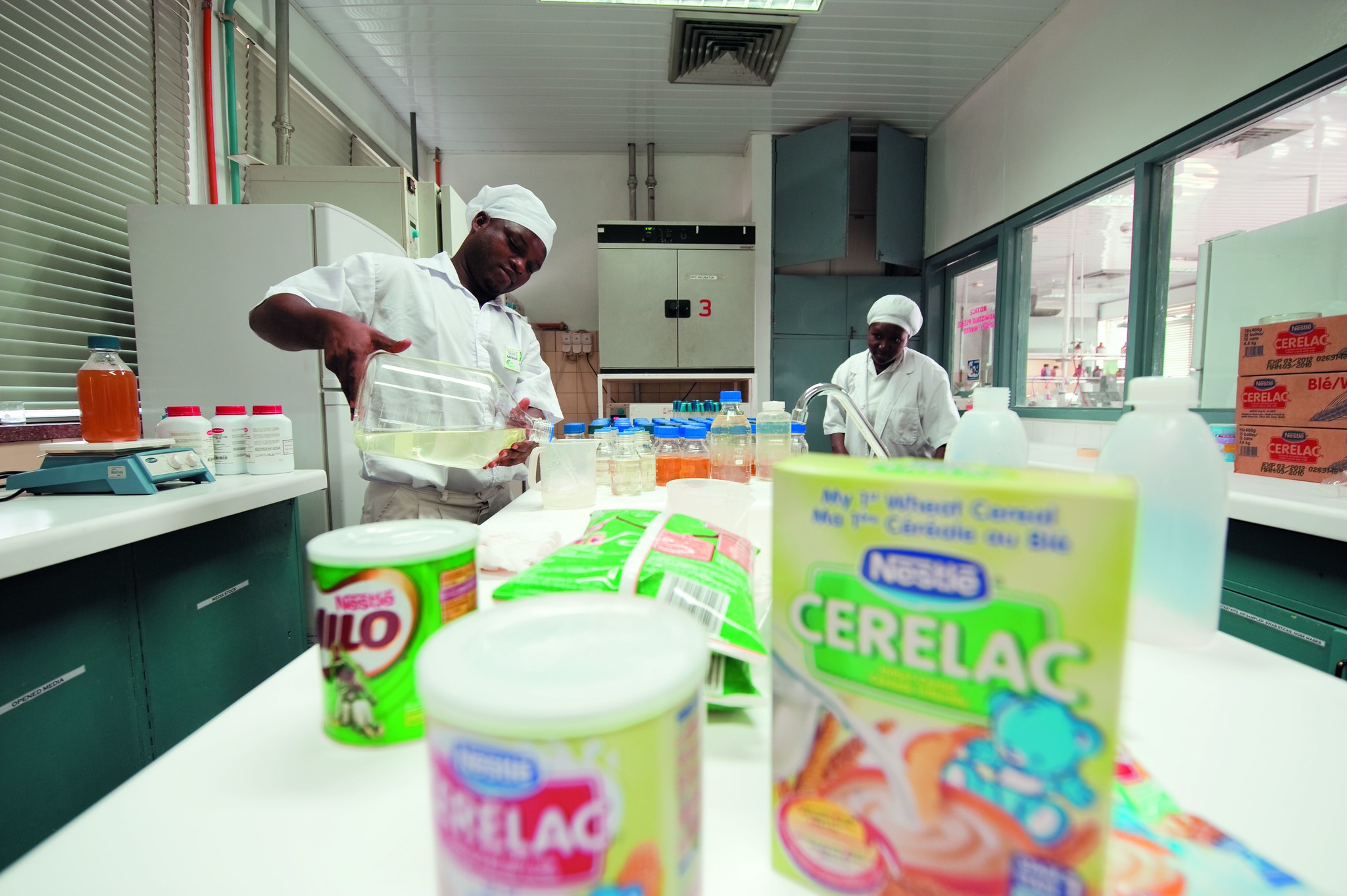
Swiss food giant Nestle has been adding sugar to baby food to help it stoke sales in Africa, Asia, and Latin America, after cutting it from products sold in European markets, according to a report from an NGO.
Released on Tuesday by Swiss-based “global justice organisation” Public Eye, the report, entitled How Nestle gets children hooked on sugar in lower-income countries, accuses the company of “putting the health of babies at risk for profit”.
Discussing the results of an investigation carried out by Public Eye and the International Baby Food Action Network (IBFAN), the report says that added sugar was found in 93 percent of Nestlé baby food products sold in African, Asian, and Latin American countries.
The amount of sugar added varied across markets, the study found.
Baby cereal sold under the Cerelac brand in Thailand contained six grams of sugar, or about 1.5 sugar cubes, per serving.
In Ethiopia, it had 5.2 grams added, while babies in Pakistan eat Cerelac with 2.7 grams of added sugar.
In Switzerland and other main European markets such as Germany and the United Kingdom, Cerelac is sold without any added sugar.
The World Health Organisation advises that foods for children under three should contain “no added sugars or sweetening agents,” warning that exposure to sugar early in life can create a lifelong preference for sugary products that increases the risk of developing obesity and other chronic illnesses.
Nestle controls 20 percent of the global baby food market, which has annual sales of nearly $70bn, and advertises “aggressively” in Africa, Asia, and Latin America that its products are essential to children’s healthy development, according to Public Eye.
Public Eye and IBFAN “demands that Nestlé put an end to this unjustifiable and harmful double standard, which contributes to the explosive rise of obesity and leads children to develop a life-long preference for sugary products,” the report reads.
A spokesperson for Nestle, which has rejected previous accusations of “double standards” regarding the nutrition of its baby food products in different regions of the globe, branded the investigation “misleading,” according to The Guardian newspaper.
Having cereals sweet enough to be palatable to infants is vital in combating malnutrition, the spokesperson continued, adding that Nestle recipes are well within limits set by national regulations in the countries concerned.
First published on: aljazeera.com