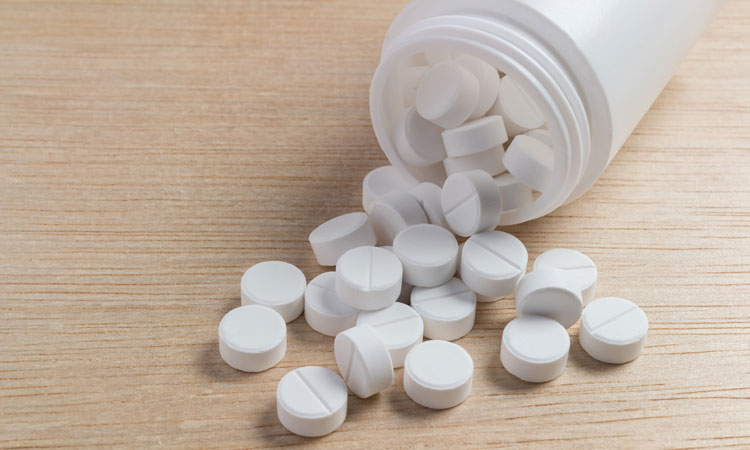
Paracetamol, also known as acetaminophen, is one of the most commonly used over-the-counter medications for pain relief and fever reduction. While it is widely regarded as safe when used correctly, there are important considerations and potential risks associated with its use that are often overlooked. In this blog post, we will explore the effects of paracetamol on your body, its benefits, and the precautions you need to take to use it safely.
The Benefits of Paracetamol
1. Effective Pain Relief
Paracetamol is highly effective in relieving mild to moderate pain. It works by inhibiting the production of prostaglandins in the brain, which are chemicals responsible for causing pain and inflammation. This makes it a go-to medication for headaches, toothaches, menstrual cramps, and minor arthritis pain.
2. Fever Reduction
Paracetamol is also widely used to reduce fever. It acts on the hypothalamus, the part of the brain that regulates body temperature, helping to lower a high temperature and provide comfort during a feverish illness.
3. Gentle on the Stomach
Unlike nonsteroidal anti-inflammatory drugs (NSAIDs) like ibuprofen or aspirin, paracetamol does not irritate the stomach lining. This makes it a preferred choice for individuals with sensitive stomachs or those with conditions such as peptic ulcers.
Potential Risks and Side Effects
Despite its benefits, paracetamol can pose significant risks if not used correctly. Understanding these risks is crucial for safe usage.
1. Liver Damage
The most serious risk associated with paracetamol is liver damage. The liver metabolizes paracetamol, but excessive doses can overwhelm its ability to process the drug safely. This can lead to acute liver failure, a potentially life-threatening condition. It’s important to adhere to the recommended dosage and avoid combining multiple medications that contain paracetamol.
2. Overdose Risk
Paracetamol overdose is a common cause of poisoning worldwide. Symptoms of an overdose may not appear immediately but can include nausea, vomiting, loss of appetite, sweating, and confusion. In severe cases, an overdose can lead to liver failure and death. Always check the labels of over-the-counter and prescription medications to ensure you are not exceeding the safe daily limit.
3. Allergic Reactions
Although rare, some individuals may experience allergic reactions to paracetamol. Symptoms can include skin rashes, itching, swelling, dizziness, and difficulty breathing. If you experience any of these symptoms after taking paracetamol, seek medical attention immediately.
Safe Usage Tips
To minimize the risks associated with paracetamol, follow these guidelines:
1. Stick to Recommended Dosages
The maximum recommended dose for adults is usually 4 grams (4000 milligrams) per day, divided into doses of 500-1000 milligrams every 4-6 hours. Do not exceed this amount. For children, dosing is based on weight and age, so always follow the instructions provided by a healthcare professional or the product packaging.
2. Avoid Alcohol
Consuming alcohol while taking paracetamol can increase the risk of liver damage. If you are a regular drinker or have liver disease, consult your doctor before using paracetamol.
3. Check Medication Labels
Many combination medications, such as those for colds, flu, and allergies, contain paracetamol. Always read labels carefully to avoid accidentally taking too much.
4. Consult a Healthcare Professional
If you have any underlying health conditions, are pregnant, or are taking other medications, consult your doctor before using paracetamol. They can provide personalized advice based on your health status and medical history.
Paracetamol is a highly effective medication for pain and fever relief, but it is not without risks. Being mindful of the potential dangers, such as liver damage and overdose, and adhering to safe usage guidelines can help you use paracetamol safely and effectively. Always consult healthcare professionals if you have any doubts or concerns about using this medication.